How do you spot signs of abuse?
The hardest abuse to recognise is the kind that doesn’t leave a bruise.
Men in particular, that are expected to be stoic, "man up", be a provider, and whom very rarely reach out to others for support - this can make it especially hard to identify if they are in an abusive relationship or not.
Recognising the Abuse in You
Family violence — especially coercive and emotional abuse — often shows up in your body and behaviour before your mind can fully name it.
Hypervigilance
You’re always on edge — scanning for subtle shifts in tone, expression, or body language, bracing for the next explosion or guilt trip.
Even in calm moments, your nervous system is still on high alert.
Brain Fog
You may feel drained even after a full night’s sleep. This exhaustion isn’t laziness — it’s survival mode.
The brain is stuck in a loop of stress that steals your clarity, energy, and motivation.
Mood Swings
You may snap at minor things or shut down completely when someone challenges or criticises you.
When you’ve been constantly attacked or invalidated, any hint of criticism can feel like a threat to your safety.
Sleep Issues
You might struggle to fall asleep, wake up in a panic, or have nightmares that replay conflict, fear, or helplessness.
Memory Lapses
You may find yourself zoning out during conversations, forgetting important details, or feeling foggy-headed.
Sometimes, memory around key incidents (especially those involving gaslighting) can feel blurred or incomplete.
Emotional Disconnect
You might struggle to cry, laugh, or feel joy. You may feel like you're just "going through the motions" in life.
This emotional shutdown is a form of self-protection when you’ve been invalidated, dismissed, or punished for having needs or feelings.
Self-Doubt
Abuse often leaves you second-guessing everything — your decisions, your memories, even your character.
This self-doubt is a learned response from prolonged blame, gaslighting, and criticism.
Shame & Guilt
You might find yourself constantly apologising, trying harder to please, or blaming yourself for their moods.
Even when you’re mistreated, you feel like you caused it.
Recognising the Abuse in Others
Sometimes we don’t see the signs in ourselves — but we can feel that something’s off in someone else. Whether you’re concerned for a friend, colleague, family member, or child, this section helps you tune in.
Recognising the Signs of Abuse in a Man

Because of stigma, many men:
- Minimise what’s happening
- Blame themselves
- Or quietly break down
Common signs include:
- Sudden weight loss/gain or poor sleep
- Hypervigilance (always on edge)
- Avoidance of talking about home life
- Unexplained anxiety, depression, or shame
- Loss of confidence or spark
- Strained or absent friendships
- A tendency to defend or protect his partner’s behaviour — even when it clearly hurts him
Men might not say “I’m being abused”. But they might say:
- “I just can’t seem to get anything right.”
- “She says I’m the narcissist.”
- “I think I’m going crazy.”
- “It’s probably my fault, I provoke her.”
- “I just want to keep the peace.”
How to Tell if the Relationship You're Observing Feels “Off”
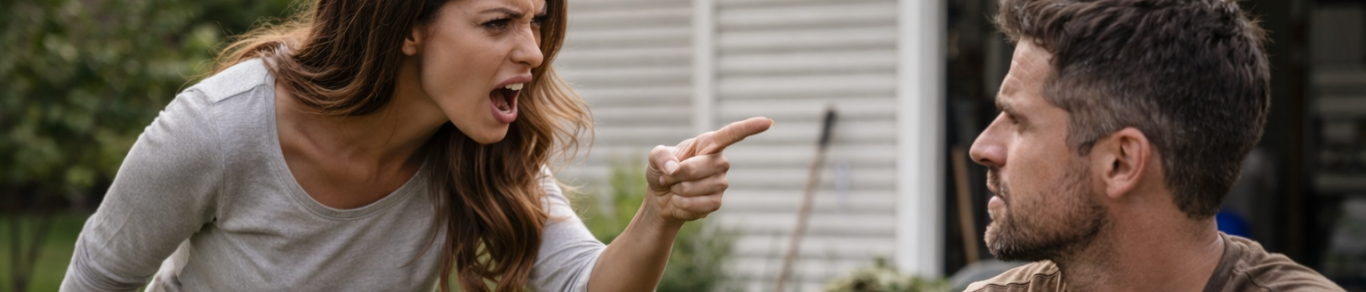
Abuse isn't always loud. Often, it whispers. It can look like:
- Constant tension: The man seems overly cautious or guarded around his partner — flinching at criticism, walking on eggshells.
- Sudden personality change: He used to be confident or open, but now he’s withdrawn, passive, or overly self-critical.
- One-sided accountability: He’s always the one apologising. She’s never wrong. Even in public, he takes the blame — even for things clearly not his fault.
- Fear disguised as loyalty: He praises her constantly but there’s a discomfort underneath, like he has to say it to stay safe.
- Over-explaining or asking for permission: In conversations, he checks his phone nervously or phrases things like: “I’m not sure if she’ll let me” or “I’ll have to check first — she gets upset.”
Recognising the Signs of Abuse in Kids

Children are incredibly perceptive — even if they don’t have the words. Watch for:
- Split behaviour: One parent is described with joy and warmth, the other with fear, withdrawal, or anger — even when their time with both seems “equal.”
- Parentification / Trying to 'rescue' the parent they feel is unsafe — kids often try to caretake for the abused parent.
- Regression (bedwetting, tantrums, clinging) or hyper-independence
- Sudden anxiety about visits to one parent
- Contradictory stories — often due to coaching, fear, or loyalty conflicts
- Drawing or play themes that reflect chaos, control, secrets, or fear
If you're unsure, don't interrogate. Observe, support, and document. Seek guidance from a trauma-informed child psychologist.